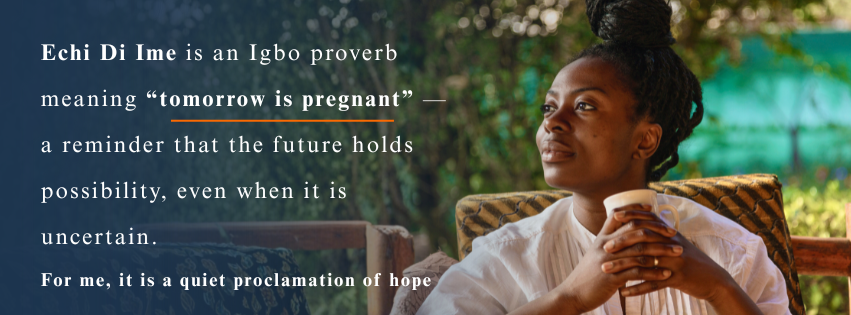
Echi Di Ime
Echi Di Ime is my blog and podcast — a space for reflection on leadership, medical careers, women’s health, and social justice.
I draw on clinical practice, public health, and lived experience to make complex health issues clearer and more human.
What I write about
Women’s health across the life course
Periods, fertility, pregnancy, menopause, and getting heard in care.
Medical careers & leadership
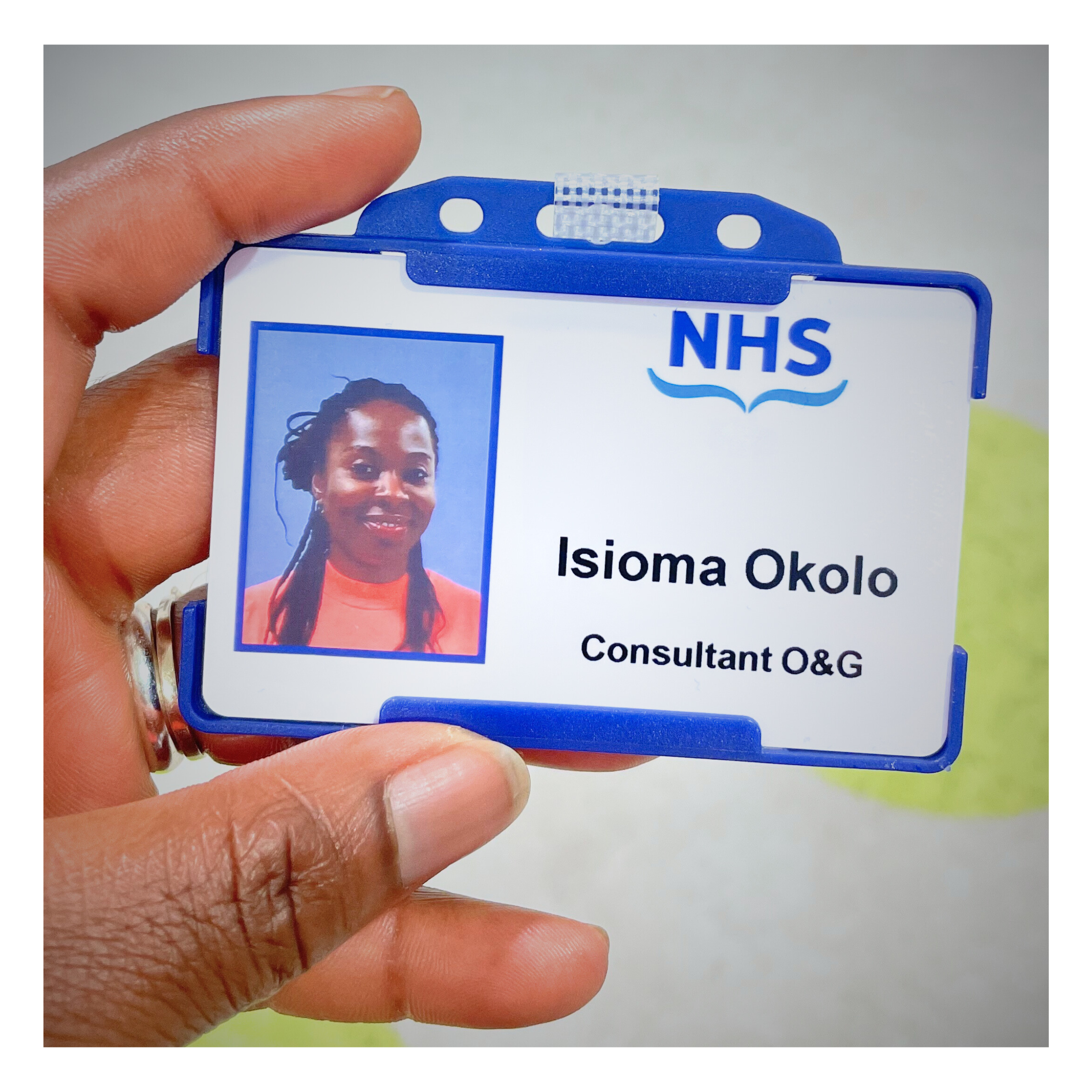
Becoming a consultant involves identity shifts, boundaries, and confidence.
Health, power & systems
Equity, policy, and how structures shape outcomes.
Featured
Explore My Writing
Imposter Syndrome isn’t Your Fault.
Imposter syndrome isn’t about weakness — it’s a response to spaces that were never made for you.
In this piece I reflect on why high achievers still feel like frauds, and why the real work isn’t “fixing you” but changing the environments that make you doubt yourself.

The narrative around Black and brown maternal health is too often anchored only in pain and disparity.
In this piece, I explore why celebrating resilience, dignity and joy — alongside honest accounts of harm — matters for care, advocacy and equitable systems.
There are always at least two experts in the room. Let’s chat about how to flex your expertise and advocate for yourself when you next see your gynaecologist.
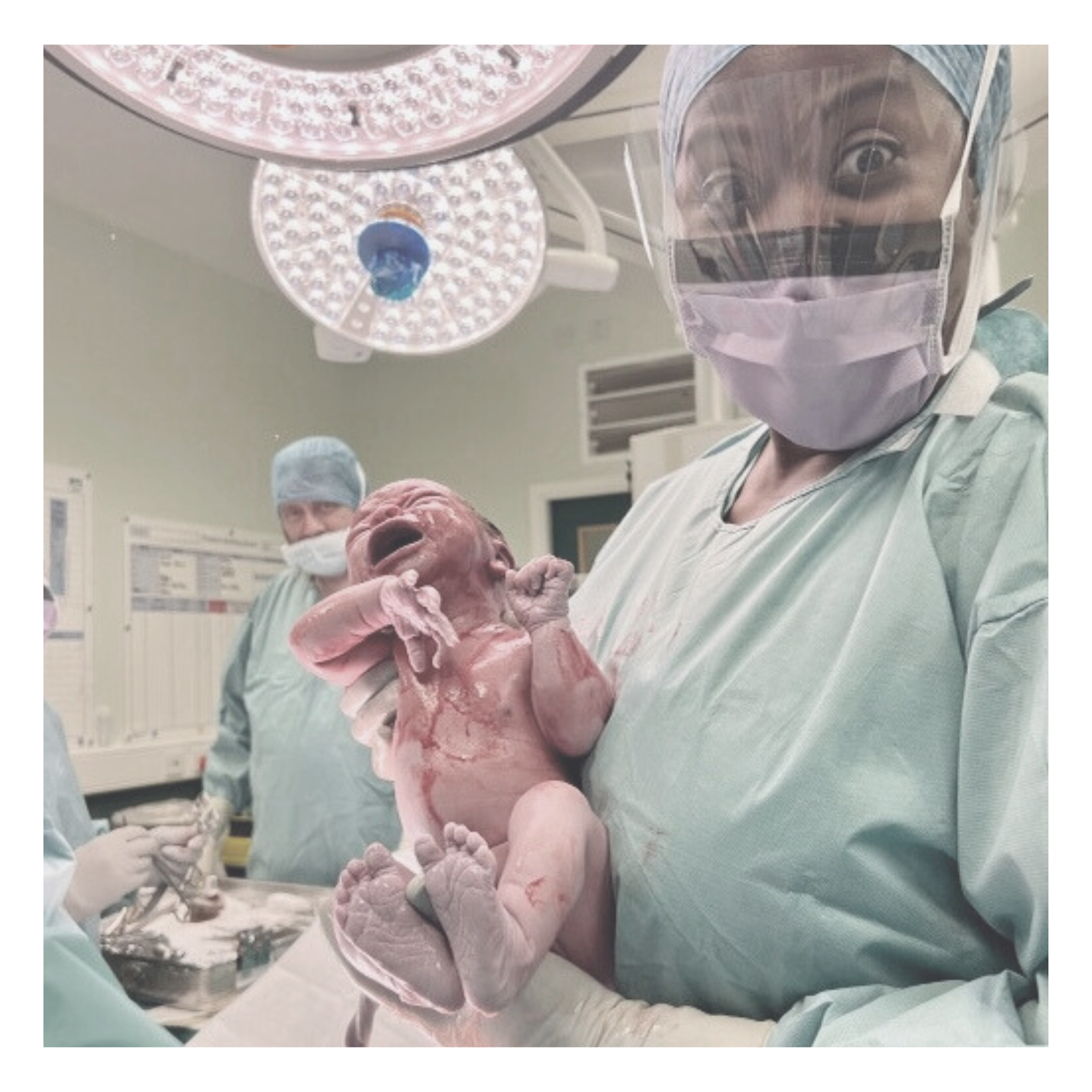
One in five babies around the world is born by caesarean — but the stories and experiences behind those births are rarely told. This piece weaves clinical context with lived experience to celebrate all births and challenge the stigma around surgical birth.
Our skin is our largest organ, constantly in contact with the environment. Black women are disproportionately exposed to toxic chemicals in everyday beauty products, with real consequences for reproductive health. This piece isn’t just about hair — it’s about exposure, power, and environmental justice.
In the lead up to International Women’s Day, let’s uncover structural violence, a hidden system holding women back from achieving their true potential.
The shift from resident to consultant feels like the first trimester of a pregnancy: exhilarating, unsettling, and full of lessons no one warns you about.
In this piece I share what I wish I’d known in those early months — the unexpected realities, boundaries, and rhythms that shape thriving in your new role.
“Resilience” is everywhere — in medicine, in care, in life — but rarely unpacked with clarity or compassion.
Are you resilient, or have you normalised maladaptive behaviours to chronic stress? Now that’s a triggering question.
Imposter syndrome isn’t about weakness — it’s a response to spaces that were never made for you.
In this piece I reflect on why high achievers still feel like frauds, and why the real work isn’t “fixing you” but changing the environments that make you doubt yourself.

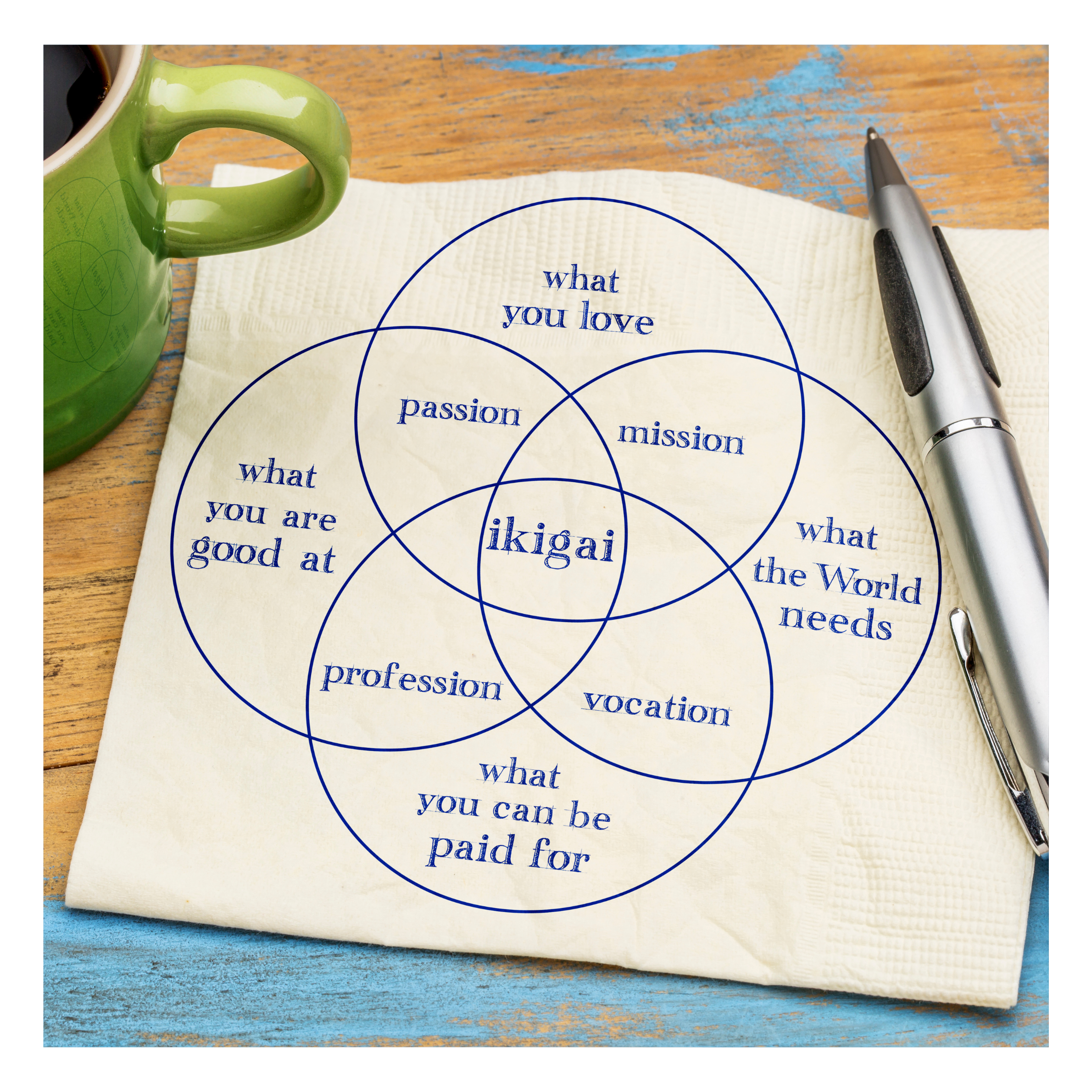
Clinical training prepares us to be excellent, but not always to feel anchored.
In this reflection, I explore how discovering Ikigai helped me rethink purpose in medicine — beyond achievement, titles, and competence
Self leadership is a critical skill in achieving career success, satisfaction and joy at work. I wish someone had told me this 10 years ago!
A pregnant woman’s care is shaped by forces far beyond the clinic — from conflict and policy to data, history, and power.
This piece reflects on how care is never neutral, and why recognising its political nature is part of practising medicine with integrity.
When race is used as a proxy for biology, it quietly embeds bias into care.
This piece explains why race is not a risk factor — and why clinicians must look instead to systems, history, and lived experience.
Power and privilege shape who gets access, whose needs are heard, and how care is delivered.
This piece reflects on how power, positionality, and privilege influence health equity — and why understanding them is the first step toward fairer care
If we only treat race as a personal issue, we miss the ways it shapes systems and outcomes.
Drawing on my talk at RCOG 2023, this piece unpacks how systemic racism affects both patients and the clinicians who care for them — and what honest attention would look like.
A spoken-word reflection on identity, storytelling, and the space between lived experience and statistics