The Consultant Years: Learning the Rules No One Taught Us
Getting the consultant job was the easy bit.
Settling into a rhythm that allows you to thrive, not just survive — that’s the real work.
Consultant/ Attending life is harder because the rules change — and no one explains how.

Residency is Hard.
Consultant or attending life is harder in a quieter, more insidious way — not because you can’t handle the clinical work, don’t know enough, or aren’t “cut out for it.”.
During residency, there is a curriculum. Explicit expectations. Defined milestones. Clear hierarchies. You are assessed constantly, but you’re also held.
Consultancy is different.
On paper, your days are structured by clinical work. You might take on roles in education, governance, research, and leadership. There are appraisals to complete, portfolios to maintain, and objectives to set.
But very quickly, you realise something unsettling:
Your appraisal is as meaningful as you decide it will be.
Your job plan is more negotiable than anyone tells you.
Your career trajectory is no longer managed — it’s self-directed.
This is where the hidden curriculum of consultant life really begins.
The hidden curriculum is everything you are expected to know, navigate, and perform — without ever being formally taught.
It determines who gets stretched and who gets sidelined.
Who is protected and who is exposed.
Who progresses with energy — and who quietly burns out.
We talk about the hidden curriculum in training, but it doesn’t disappear at consultancy. If anything, it becomes more powerful.
Because now the stakes are higher—and the safety nets are thinner.
The evidence is clear that the hidden curriculum underpins differential attainment in medicine: the unfair gaps in progression, pay, recognition, and retention that disproportionately affect those with protected characteristics — gender, race and ethnicity, disability, and socioeconomic background.
We see it in interviews.
In hiring decisions.
In who leaves medicine early, and who is referred to the GMC.
But I’ve come to believe it also shows up in places we talk about far less:
Job plans, discretionary points, pay scales, leadership opportunities, and long-term burnout.
Listen to my interview on the “The Obstetrician & Gynaecologist (TOG)” podcast about Differential Attainment >>>
Read my publication on the subject >>> HERE
This isn’t just about “getting through” the early consultant years. It’s about what kind of consultant you become — and whether you recognise yourself ten years later.
Early in my career, I watched senior consultants who were technically brilliant but visibly depleted. Disillusioned. Trapped in roles that no longer fit. People who had given everything to medicine — and quietly lost themselves along the way.
At some point, it dawned on me: this could be me.
Medicine trains us to conform.
To compress parts of ourselves to fit the system. To prioritise output over identity. To suppress vulnerability, defer to hierarchy, and show up as if we have it all together. During training, that conformity is rewarded- sometimes even necessary as it keeps teams functioning, patients safe, and the system running
But consultancy is the inflection point.
This is the stage where continued conformity stops being protective -and starts becoming corrosive.
Innovation, leadership, sustainability, and joy in medicine come from the opposite place: clarity of values, self-leadership, boundaries, and the courage to practise differently.
No one teaches this. So many make the paradigm shift too late.
Without that shift, the hidden curriculum doesn’t just make your work harder - it chips away at your identity. That’s how brilliant doctors burn out, drift from purpose, or feel depleted by a job they once loved. And yet, these early consultant years quietly shape the next twenty.
That is why I created The Next Step.
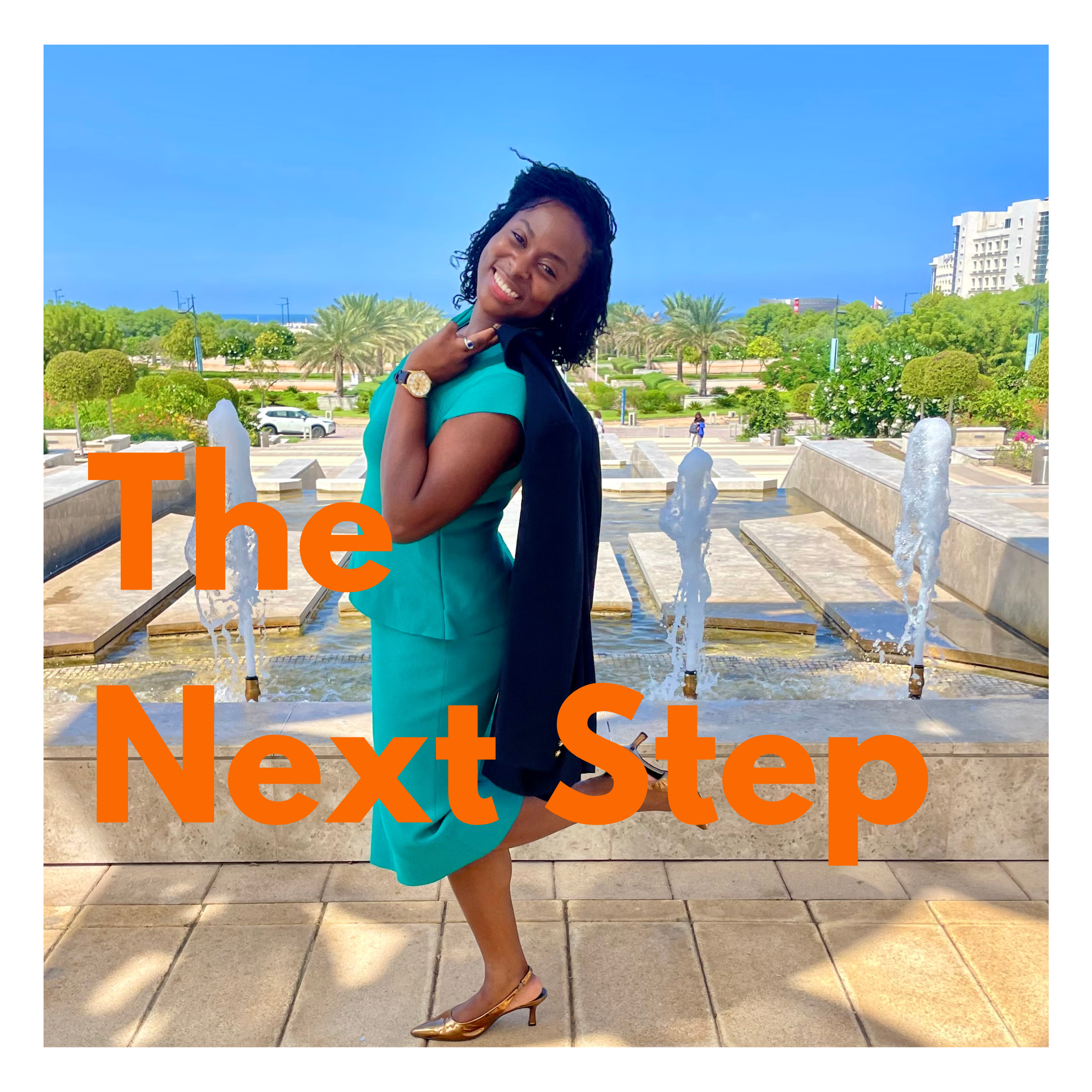
Launching in March 2026, The Next Step is a career series for doctors becoming consultants or attendings — senior residents, speciality grade doctors, and early-career consultants.
It is not another interview course.
It’s a masterclass in self-leadership in clinical careers — in spotting the hidden curriculum early, managing it intentionally, protecting yourself from burnout, erasure, and disillusionment, and building a career that sustains you
Consultant life is the stage where your identity as a clinician becomes an expression of yourself — not just a reflection of what the system expects.
If this resonates — if you feel the hidden curriculum tugging at your confidence, your energy, your sense of purpose — you’re not alone.
I write more about the hidden curriculum of medicine, career transitions, and leadership on my blog and in my newsletter.
If you haven’t already — Subscribe Here 👈🏾
And if you want to go deeper, The Next Step was designed with you in mind.