Navigating the Hidden Curriculum of Medical Training- as an outsider
“Where are you from?”
In healthcare, that question can be small talk. Or it can be the first signal that there’s a set of rules you were never taught — but are still judged by.
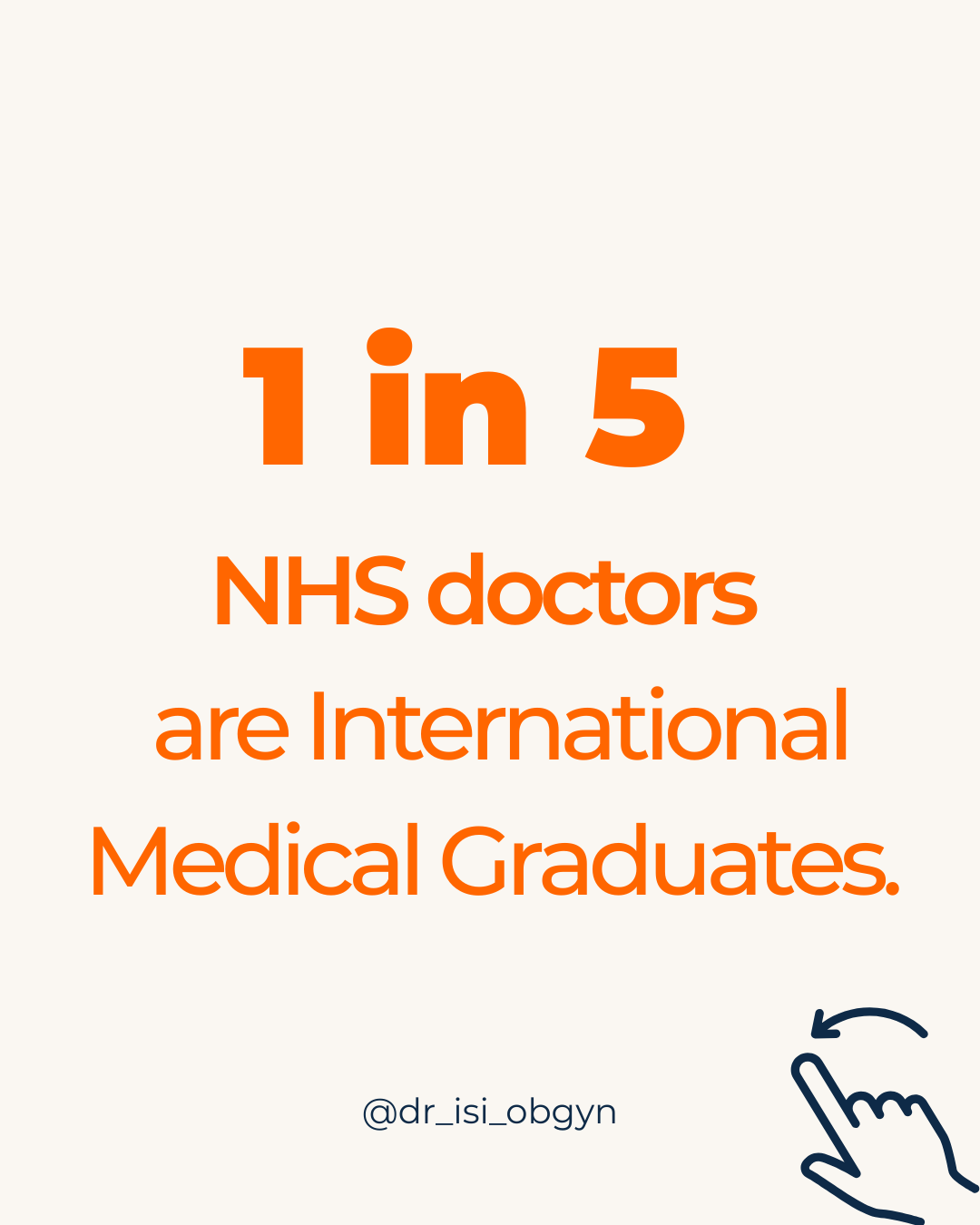
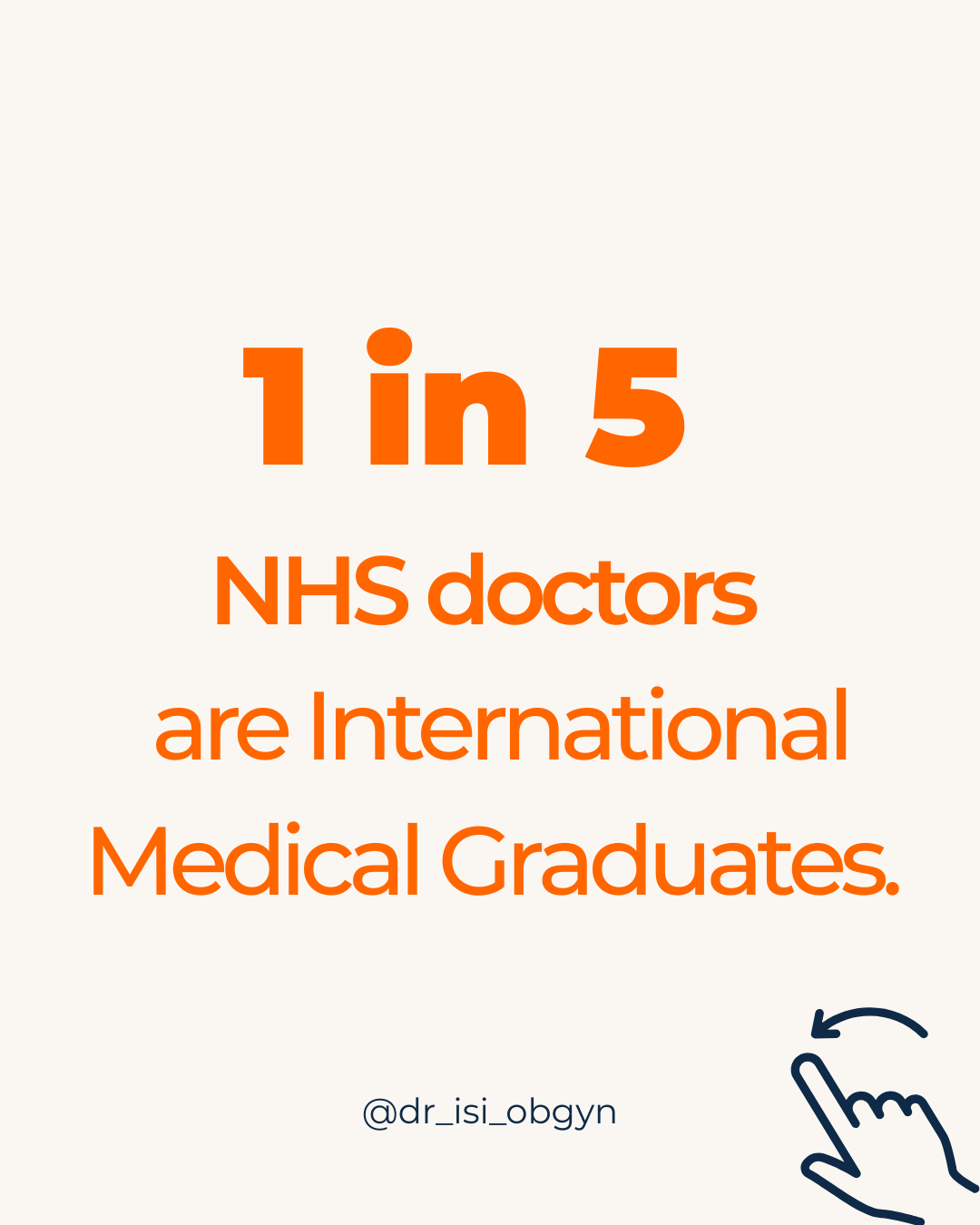
Around 1 in 5 doctors in the NHS are International Medical Graduates (IMGs).
They bring clinical depth, cultural and cognitive diversity, frugal innovation, and experience across complex systems. They keep rotas running and services afloat.
IMGs are invaluable
They bring clinical depth, cultural and cognitive diversity, They keep rotas running and services afloat..
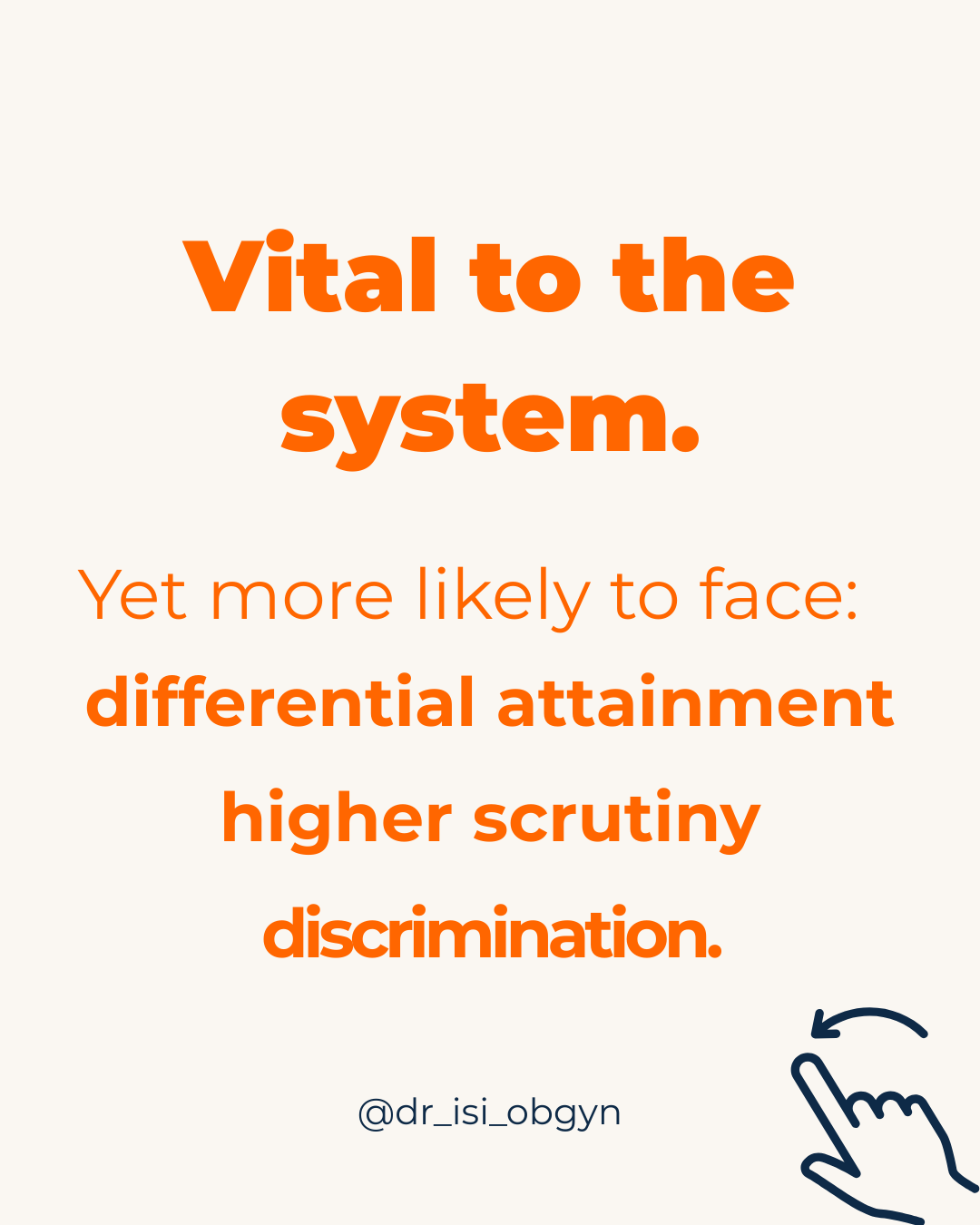
And yet, many face harsher scrutiny, differential attainment, and less grace when things go wrong.
That gap — contribution without full belonging — is where the hidden curriculum begins.
And understanding this matters for anyone entering a new healthcare system.
Entry does not equal belonging
IMGs are recruited because of clinical competence. But once inside the system, competence is rarely enough.
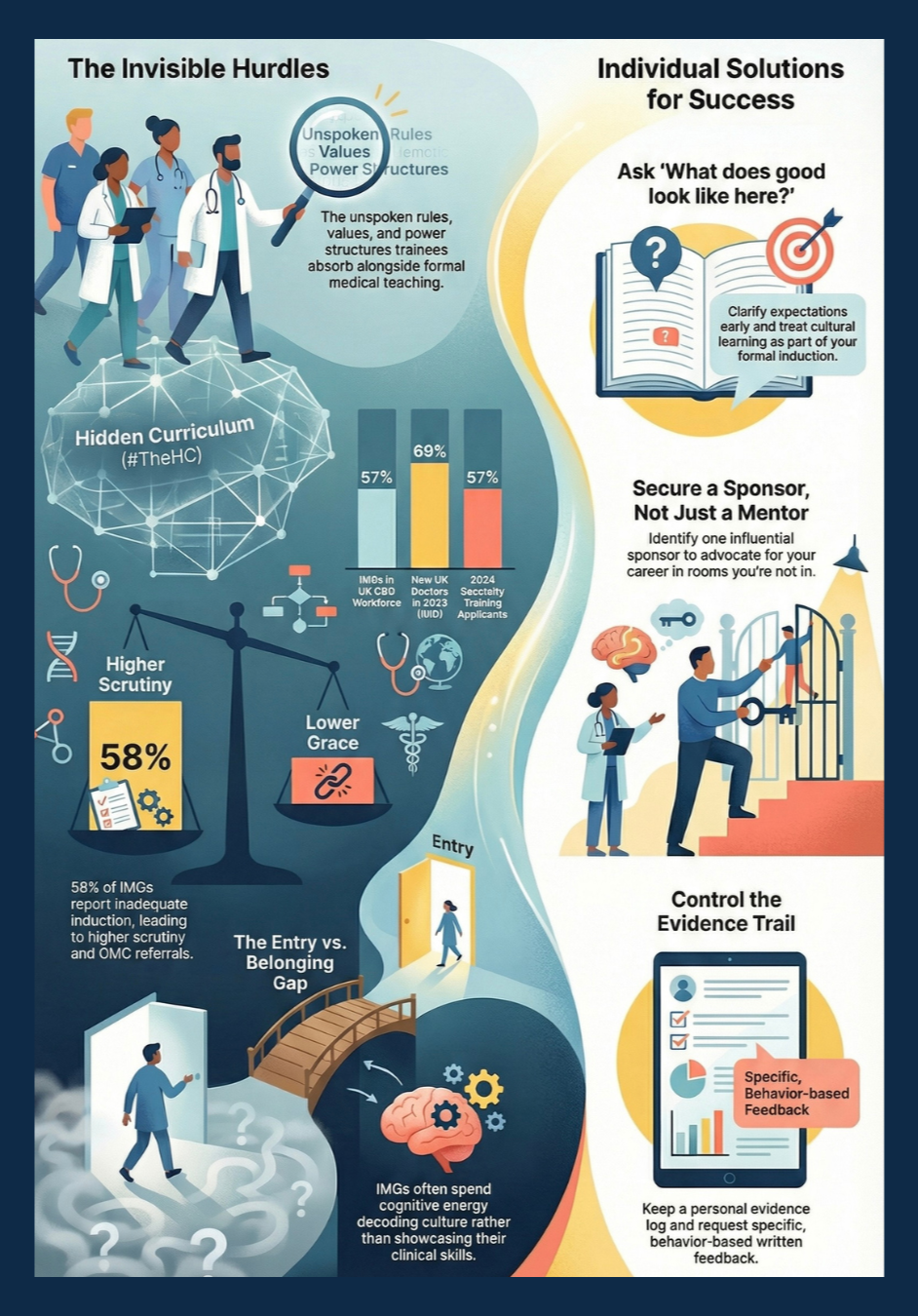
Local norms are assumed, not explained. Expectations are treated as “common sense”. The result is that IMGs expend huge cognitive energy decoding culture — how to escalate, how to disagree safely, how to be visible without being labelled difficult — rather than showcasing skill.
Early impressions matter more than we pretend. They are sticky. And when you start with less access to informal knowledge, you start behind, even when you are clinically ahead.
One of the most useful questions an IMG can ask early is deceptively simple: “What does good look like here?”
Not in theory. In this department. This hospital. This training programme.
Scrutiny is higher, grace is lower
Statistics are not destiny — but they are signals. In obstetrics and gynaecology, as in many specialities, IMGs are over-represented in referrals and under-represented in praise. Errors are remembered differently. Strengths are under-documented. Feedback is often vague, global, and unhelpfully framed.

Entry ≠ Belonging
One of the most useful questions an IMG can ask early is deceptively simple: “What does good look like here?”
This is where self-leadership becomes protective. Control the evidence trail.
Ask for written, behaviour-based feedback. When feedback feels vague, ask:
“What should I do differently next time?”Keep your own log of outcomes, compliments, and learning points.
This isn’t defensive. It’s strategic clarity.
Hard work is not the same as progress
Many IMGs are told to “just work hard and keep your head down”. It sounds virtuous. It is also incomplete advice.
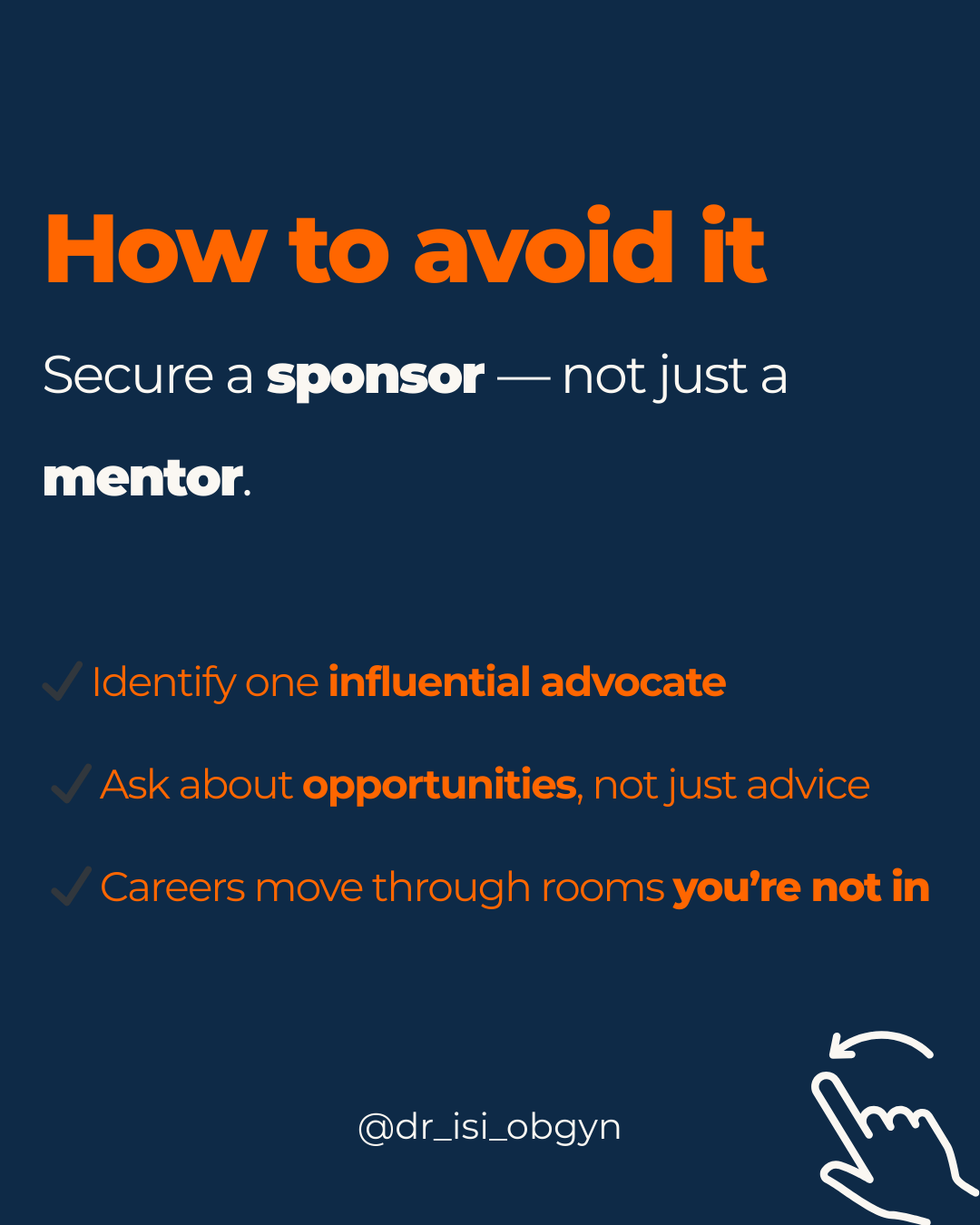
Careers don’t move on effort alone. They move on advocacy. On sponsorship- being spoken about positively in rooms you are not in.
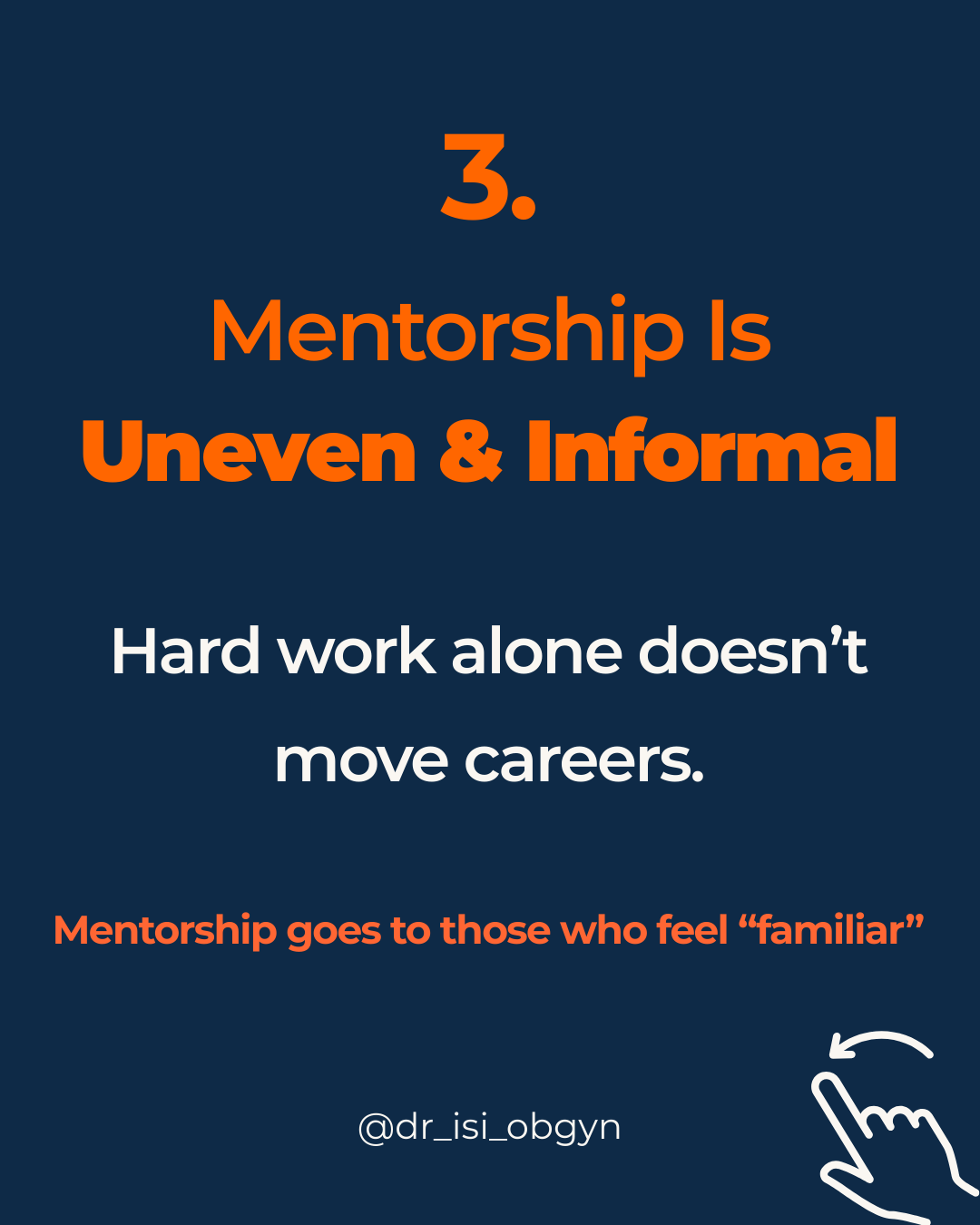
Mentorship is uneven and informal. Sponsorship — someone with influence using their voice on your behalf — is rarer still for IMGs. Working hard without strategy often leads to a plateau that feels deeply personal, but isn’t.
One mentor is helpful. One sponsor is transformative.

Confidence is culturally coded
Communication is never neutral. Confidence, assertiveness, and “leadership presence” are culturally interpreted — and IMGs know this intuitively because they are constantly self-monitoring and self-censoring.
Accent, tone, and style are judged alongside content. The question many IMGs quietly wrestle with is: to assimilate or not to assimilate?
My answer is always this: adapt without self-erasure.
Learn local norms intentionally.
Expand your professional and social circle.
Use structure in high-stakes conversations.
Don’t confuse adaptation with shrinking. You are not required to disappear to be acceptable.
Career navigation is assumed knowledge
Training teaches medicine well. It does not teach careers well.
IMGs are less likely to be told about fellowships, discretionary points, leadership tracks, or how CV-building actually works in practice. By the time the rules become visible, years may have passed.
Treat career planning as a clinical skill.
Schedule it. Review your CV quarterly.
Meet mentors & sponsors regularly- share your success, challenges and aspirations
Ask yourself not just “What am I good at?” but “What is my ikigai — where skill, meaning, and sustainability meet?”
Clinical excellence alone is rarely enough for long-term fulfilment.
The emotional load is real — and invisible
IMGs carry more than rotas and exams. Migration stress. Family separation. Visa pressure. Financial remittances. Racism and microaggressions that are normalised as “part of adjustment”.
Burnout often presents earlier and more deeply. Help-seeking is delayed because gratitude is expected, and complaining feels risky.
This is where I return again and again to the idea that rest is not indulgence — it is resistance. Community is not optional. Support outside formal hierarchies is protective, not weak.
Naming the pattern
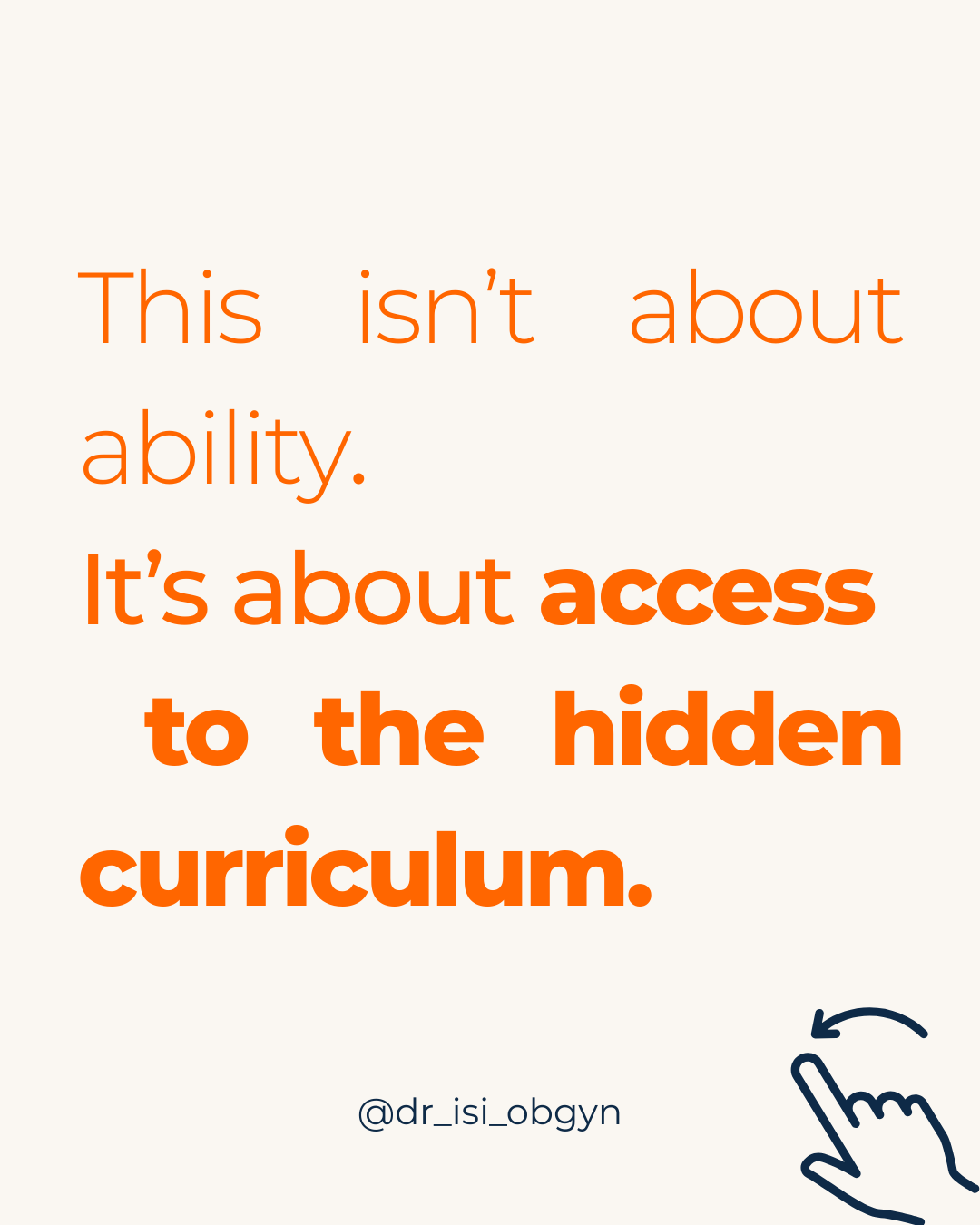
Challenges navigating a new system are rarely about ability. It is about access to the invisible curriculum.
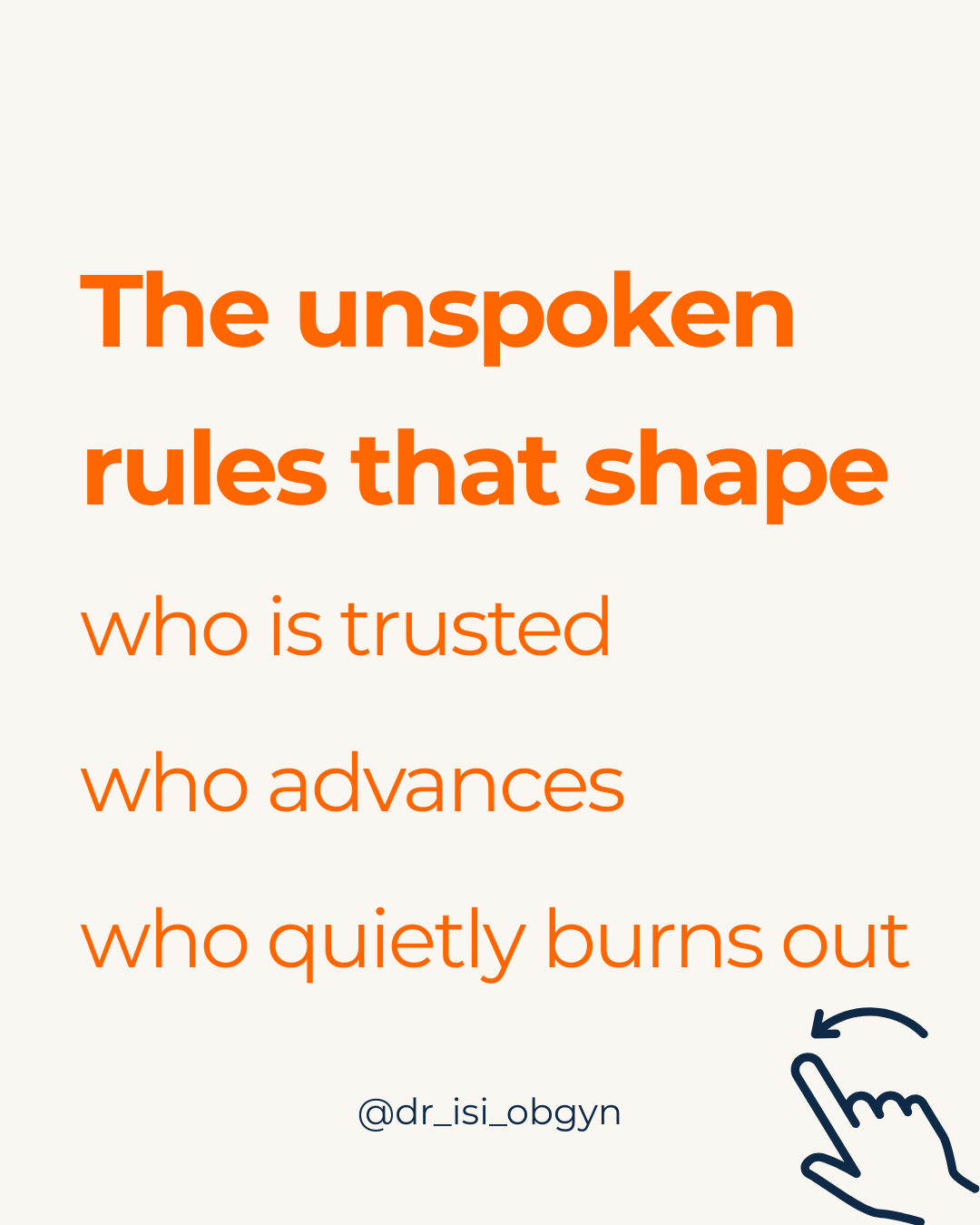
When the rules stay unspoken, inequality reproduces itself quietly. When the rules are named, talent surfaces — not just for IMGs, but for everyone, especially if you are new to a system.
A final word — and an invitation
If this piece resonates, it’s not because you are behind. It’s because you are learning rules that were never taught.
👉🏾 For More Insight on Medicine, Sign Up for My Careers Newsletter
On Echi Di Ime, I write about the hidden curriculum of medicine, self-leadership through transition, and how to build a career that is not only successful but humane.
Related Blogs on Medical Careers