Midlife: a Second Window For Female Longevity
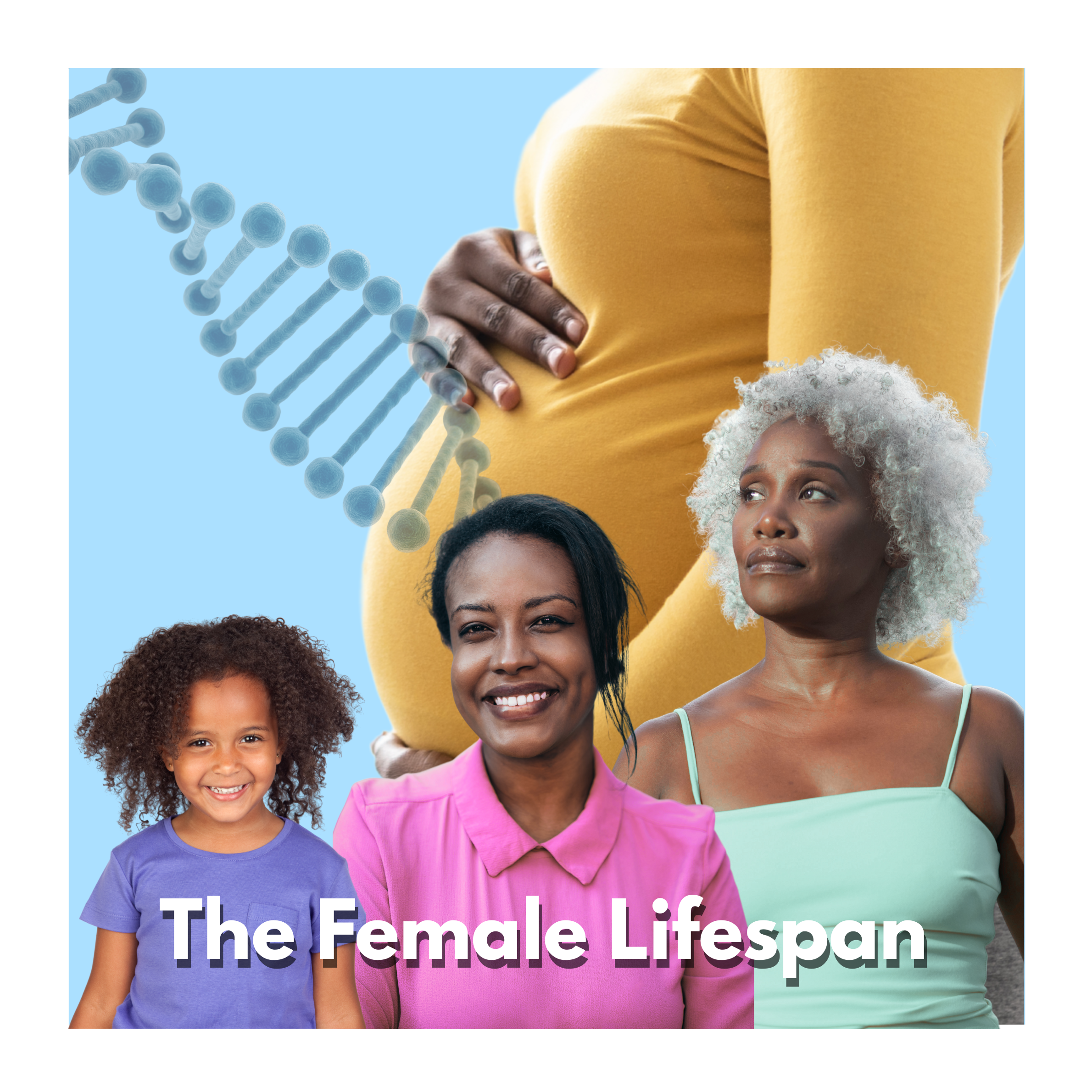
Women spend half of their lives in peri-postmenopause
The goalposts keep moving.
We are living longer. Having our first children later. Working well into our sixties and beyond. Women still outlive men—but often with poorer physical and mental health in the years that matter most.
If the average woman now lives to around 80, and perimenopause typically begins in the early forties, that means many women will spend nearly half their lives navigating hormonal transition. Yet until very recently, this phase of life barely featured in mainstream health conversations. That silence has consequences.
Pregnancy offers an early clue to why this matters.
I’ve long thought of pregnancy as the ultimate stress test of a woman’s body -particularly her heart and metabolic system. Cardiac output surges. Blood volume expands. Insulin resistance rises. What we see externally is a growing bump; what’s happening internally is a demanding physiological recalibration.
Conditions such as pre-eclampsia or gestational diabetes are often treated as isolated complications- problems that begin and end with pregnancy. In reality, they are early warning signals - red flags that a woman may be on a trajectory toward high blood pressure, chronic metabolic disease, stroke, or type 2 diabetes later in life.
Pregnant women and pregnant people who had:
Pre-eclampsia have a double risk of stroke in later life
Gestational diabetes are 10 x more likely to get type 2 diabetes in later life
Pregnancy doesn’t cause these outcomes; it reveals underlying vulnerability earlier than we might otherwise detect.
And that revelation doesn’t stop at birth.
Matrescence-the physical, psychological, and emotional transition into motherhood-is a term finally entering public discourse. It describes something women have always known but rarely had language for: that pregnancy and early motherhood reshape the body, brain, identity, and sense of self. After birth, the shifts continue. The postnatal period brings another abrupt hormonal drop, sleep deprivation, identity change, and psychological vulnerability. In the UK, suicide remains the leading cause of maternal death in the first year after childbirth. We talk about baby blues and postnatal depression, but often without urgency. Everyone wants to hold the baby. Far fewer ask who is holding the mother.
Matrescence and Perimenopause: two sides of the same transition
Whilst matrescence is finally entering mainstream awareness, it rarely gets connected to the next transition in a woman’s life, perimenopause and menopause, which represents another massive shift.
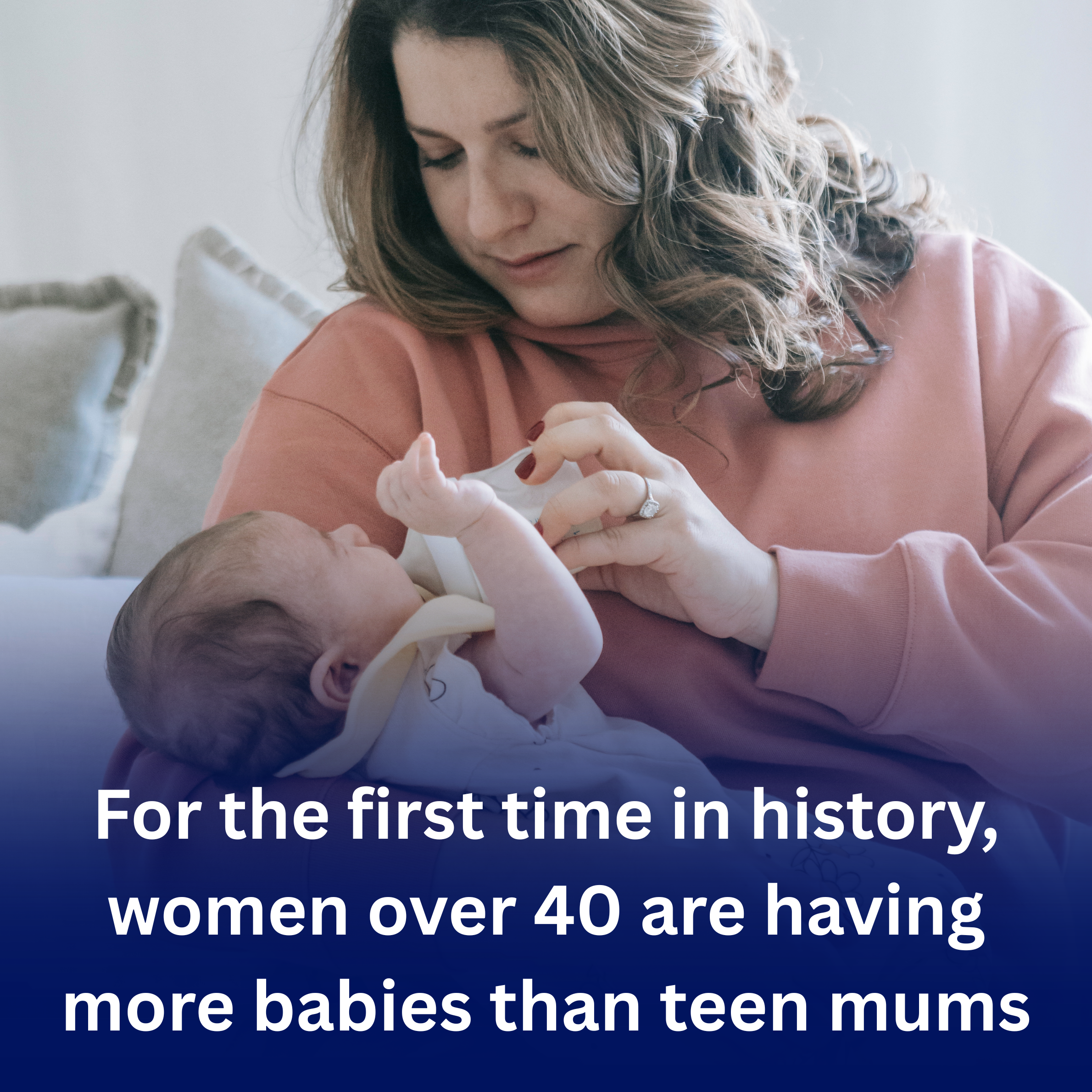
At a workplace talk on women’s health, a woman shared her experience of having her first child at 41 after years of IVF.
She struggled with low mood, exhaustion, and emotional numbness for almost two years after giving birth. She felt guilty for not feeling grateful enough. It wasn’t until a clinician asked a simple question, “Could this be perimenopause?”, that her experience finally made sense.
As maternal age rises, this overlap between matrescence and perimenopause will become increasingly common. Yet our healthcare systems, workplaces, and cultural narratives still treat these stages as separate and often invisible.
The past five years have forced menopause into the spotlight. Public advocacy, regulatory changes around hormone therapy, economic analyses showing the cost of ignoring women’s health, and national women’s health strategies have all played a role. But the conversation often starts too late
The Real Opportunity Lies in the Years Between Matrescence and Menopause.
This is a critical window to shape women’s health span. Not just how long we live, but how well. It is the moment where prevention can meaningfully alter trajectories around:
Cardiovascular health,
Metabolic resilience,
Mental well-being,
Cancer risk and
Neurodegenerative disease
These 5 domains, sometimes referred to as the 5 horse wo(men) of death & disability, are significantly impacted by hormonal transitions in women.
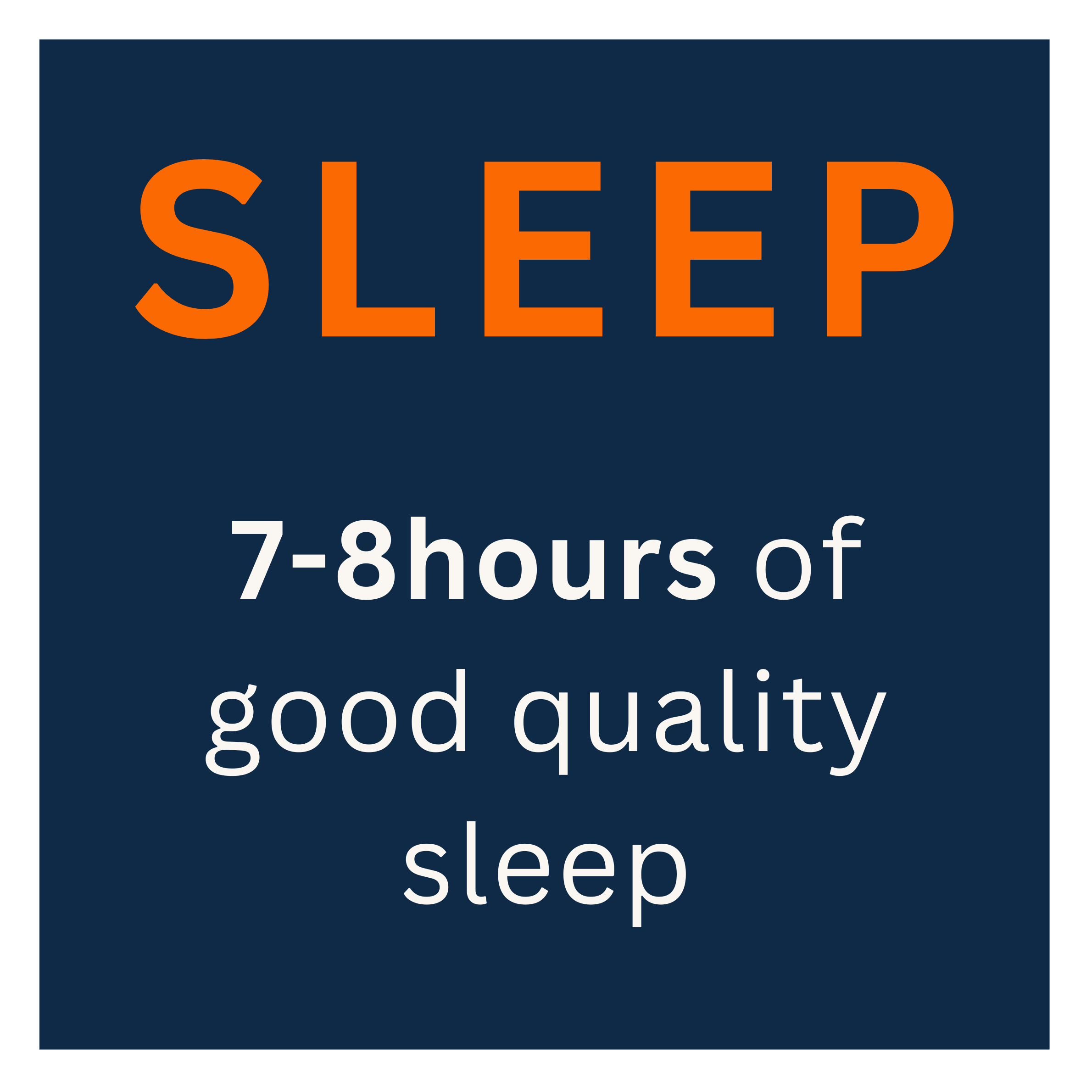
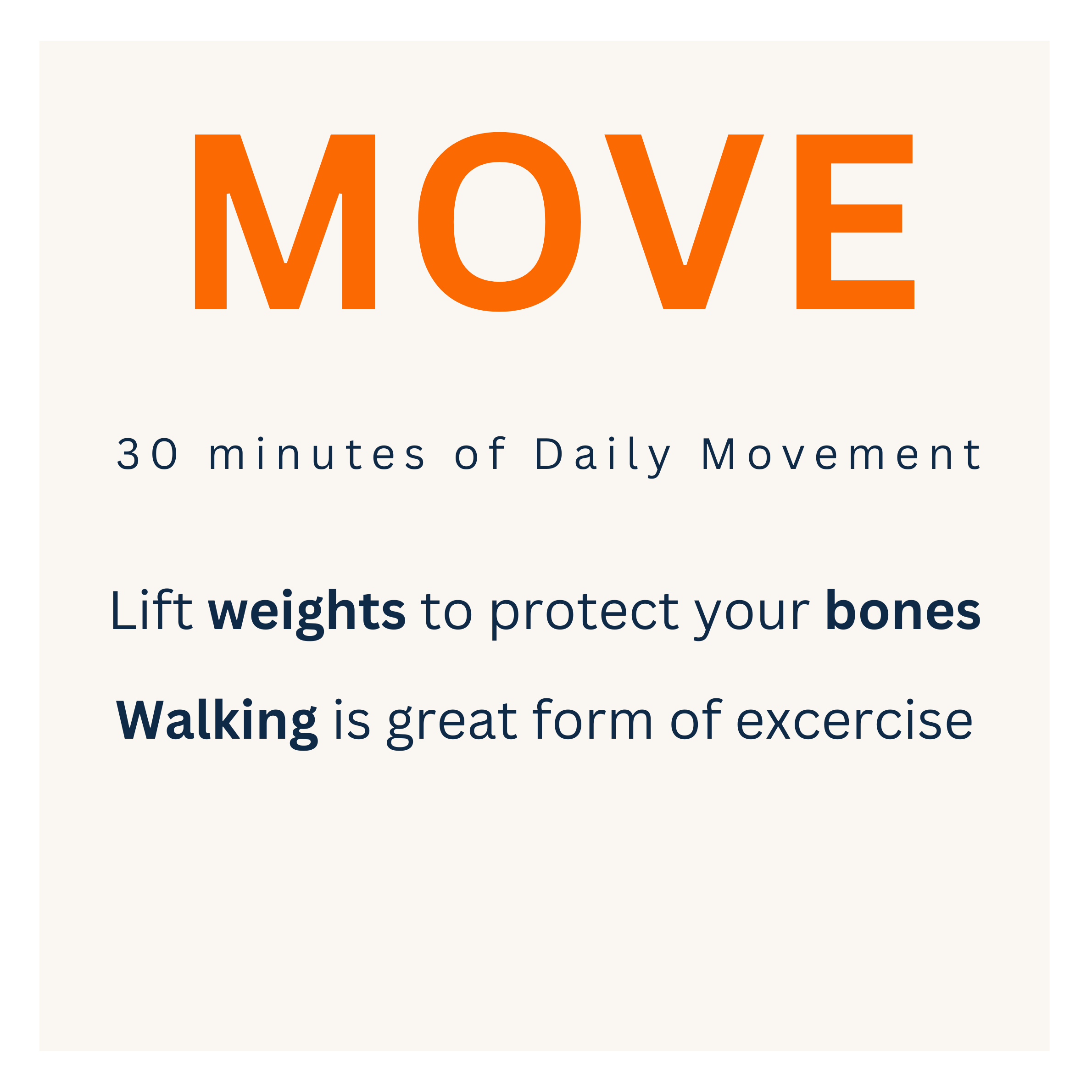
Hormones impact AND are impacted by sleep, weight changes, activity levels, social connection, nutrition, stress/nervous system dysregulation- the pillars of lifestyle medicine.
For women, knowing how hormones interact with these five domains—and applying the basics of lifestyle medicine—is key to a healthy lifespan
How to Apply The Pillars of Lifestyle Medicine to Your Life

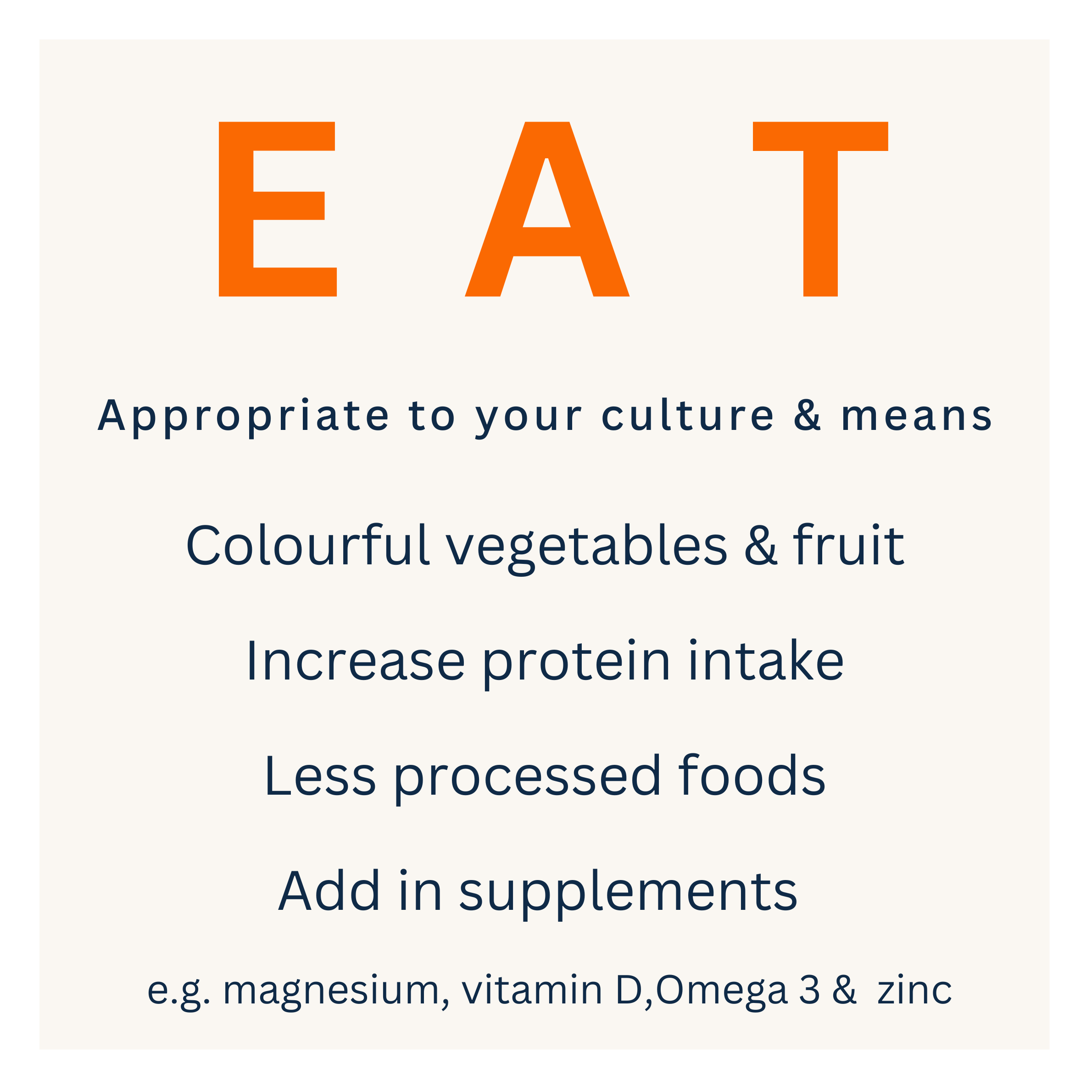
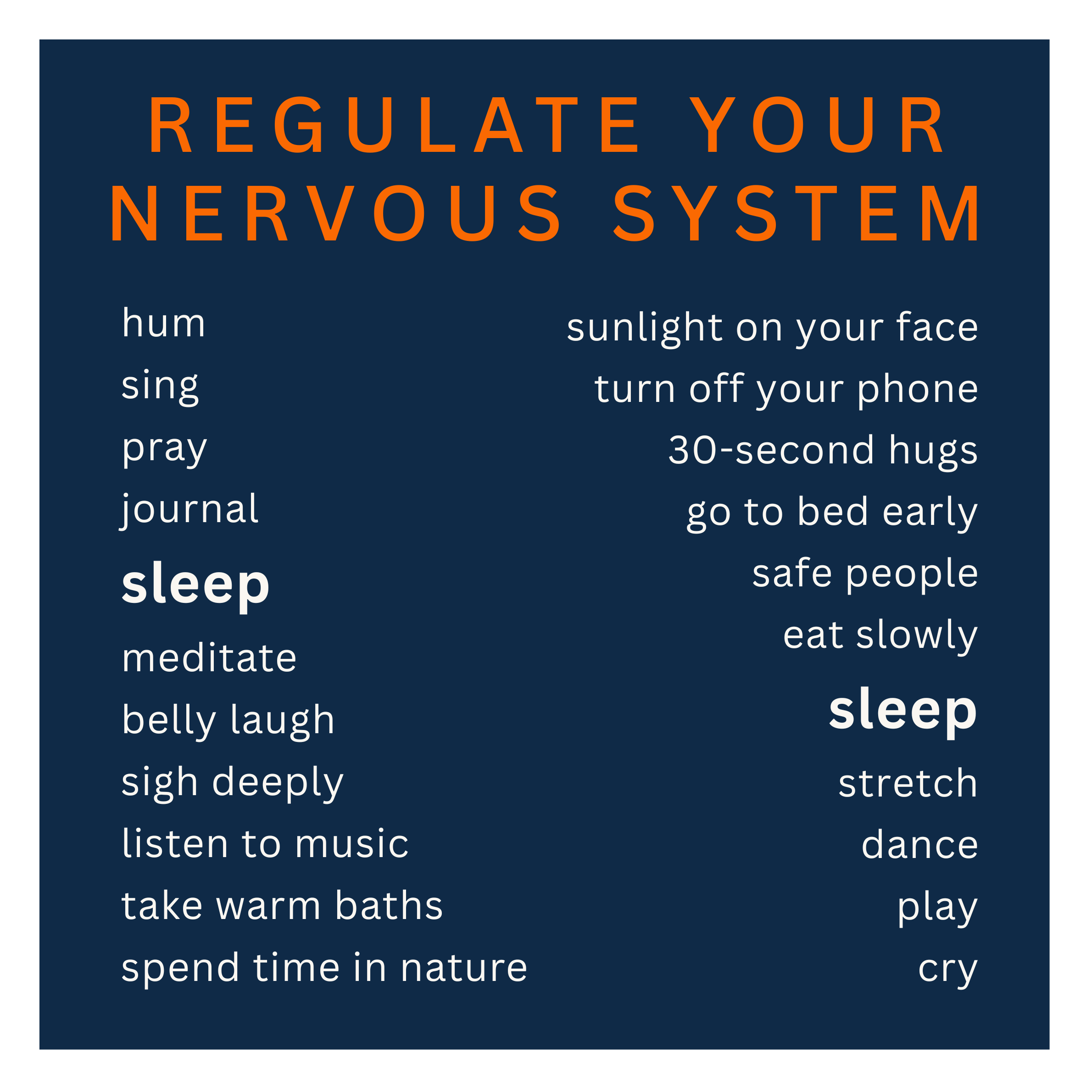
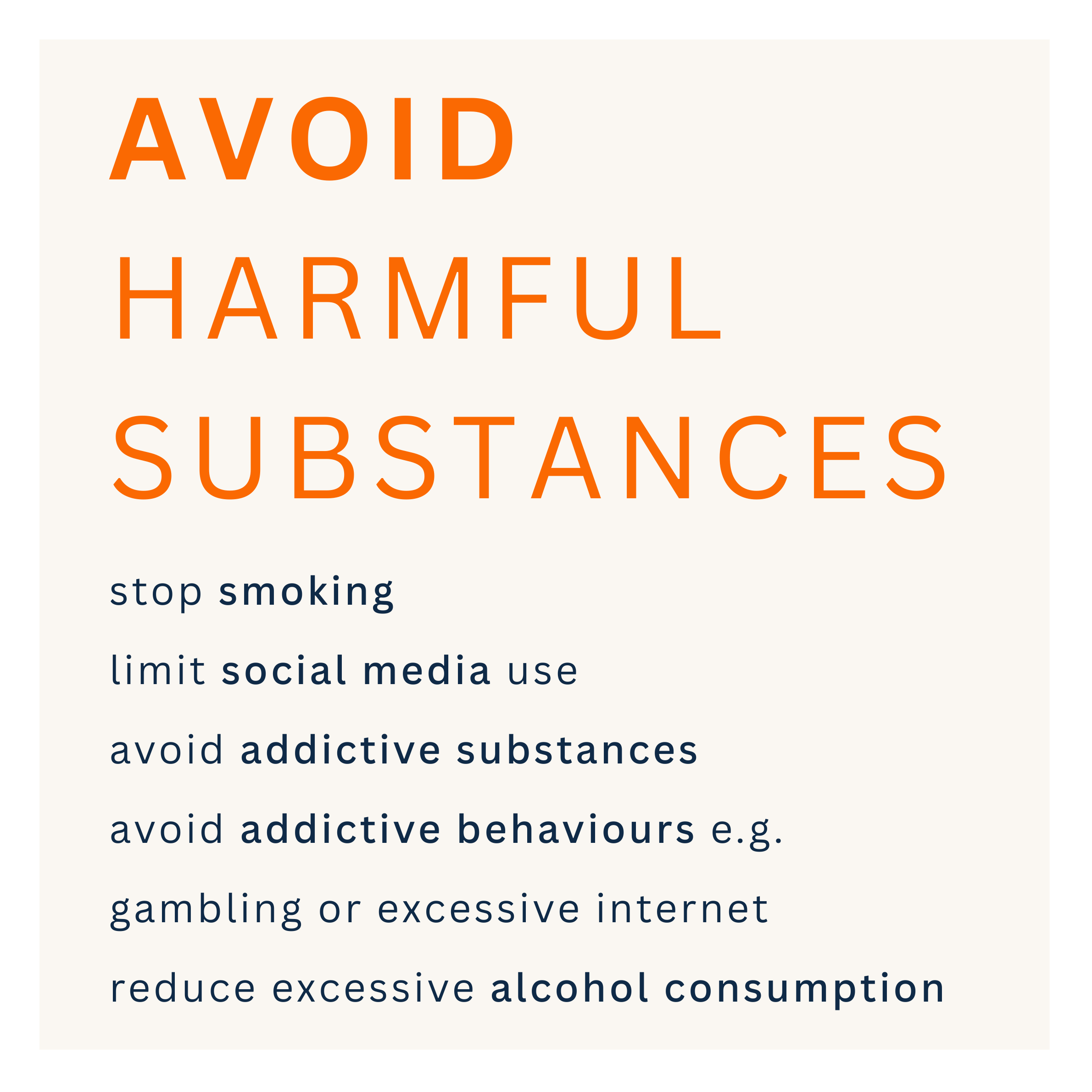
You Must Add Women’s Health Checks & Screening to Lifestyle Medicine
Screening helps people identify problems early on and take necessary steps to prevent them from progressing. It’s knowledge and well-being empowerment in action!
Have you had your essential female health checks?
Download my FREE resource “The Female Health Check Road Map”, by signing up to my newsletter ( scroll down)
Is Lifestyle Medicine Enough?
Sometimes healthy choices are hard. Women are living longer in bodies that are more metabolically stressed, often under-resourced, and disproportionately burdened by caregiving.
Therefore, equity cannot be ignored. Lifestyle medicine at scale-nutrition, movement, sleep, stress management, and social connection matter here. Not as individual blame or responsibility, but as an expanded public-health strategy applied at the personal level, shaped by real social determinants of health.
Matrescence, matrescence, and GLP-1s are shaping women’s health right now.I
I’m noticing a trend: later motherhood, midlife hormonal change, and powerful new weight-loss drugs- all overlapping. A growing number of women, particularly those in perimenopause, are turning to GLP-1 medications. We need to talk about all three - together. These drugs may have a role, but we still lack clear answers about their long-term impact on women’s cardiometabolic health across this longevity window.
I explore this in another blog. The conversation is just beginning.
The Economic Dividend of Investing in Women’s Health
Whilst I dislike framing people in terms of economic value, this is where the argument can, and must, shift from the individual to the structural.
For years, investment in women’s health has been siloed, under-resourced, and under-studied. But the data now show that this is not just a women’s issue -it’s an economic one. According to analysis by the McKinsey Health Institute in collaboration with the World Economic Forum, closing the women’s health gap- including better care across the life course - could boost the global economy by at least $1 trillion annually by 2040.
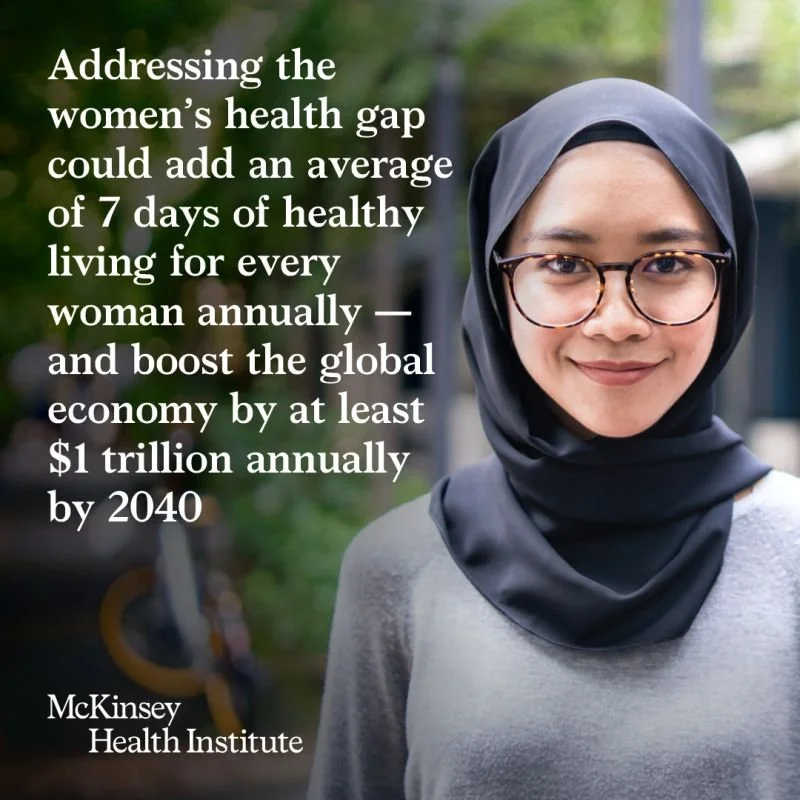
Put another way:
Every $1 invested in improving women’s health could yield around $3 in economic growth, driven by greater workforce participation, reduced disease burden, and higher productivity.
Women spend about 25% more time in poor health compared to men.
Largely because so much of the spectrum of women’s health (beyond pregnancy) has been ignored. Closing that gap could add seven extra healthy days per year for each woman, more than 500 days of healthy life over a lifetime, with profound implications for individual flourishing and societal productivity.
Investing in perimenopause and menopause specifically is not niche or soft. Workforce health research suggests that better support for women through these transitions could meaningfully reduce absenteeism, lower healthcare costs, and improve engagement and retention. Employers that prioritise comprehensive health, including midlife hormonal health, often see measurable gains in productivity and lower turnover- real returns that resonate on the balance sheet
A Second Chance
So what am I really saying?
That the stretch between matrescence and menopause is not a blur to survive. It is a second chance.
For Women themselves- it’s a call to awareness and action: understand your risks, prioritise prevention, advocate for care that ‘sees’ you.
For Clinicians- it’s a call to bridge siloes, to recognise that reproductive events are not discrete episodes but predictors of later health outcomes.
For Policymakers- it’s a call to align investment with evidence. Health equity is not just ethical - it’s economic: healthier women, stronger communities, more resilient societies.
Because when women live healthier for longer, everyone benefits: families, workplaces, economies, and societies built, often quietly, on women’s labour and care.
The window between matrescence and menopause matters. It’s time we treated it like it does.
Here’s a question I’d like to explore
Has lifestyle medicine quietly shifted blame onto individuals around healthy choices?
Comment below